
Iontas ~ Wonder
All that matters in the world in a country parlour

Liam Ó Muirthile was one of the Innti poets, along with Michael Harnet, Gabriel Rosenstock, and Nuala Ní Dhomhnaill. He was from Cork city but his mother’s family had come from west Cork originally, the area between Dunmanway and Macroom as you go north, an area famous historically for the Kilmichael ambush of 1920.
Kilmichael has a very special place in the story of the Irish War of Independence, particularly in west Cork. It was a huge and humiliating victory by Tom Barry’s flying column against the vastly superior British Black and Tan forces. The success of the ambush sent shock waves through the British military system and in the aftermath, the Crown forces based in Cork city went on a rampage of reprisals, burning the city centre; thus galvanising the wider population in favour of the war.
Ó Muirthile was born in 1950, and, as a young boy, would have been sent out of the city to stay with his relatives in west Cork to escape the polio virus.
He studied French and Irish in UCC and worked for Gael-Linn for a while before being appointed to the newsroom in RTÉ where he spent 20 years before leaving to become a full-time writer.
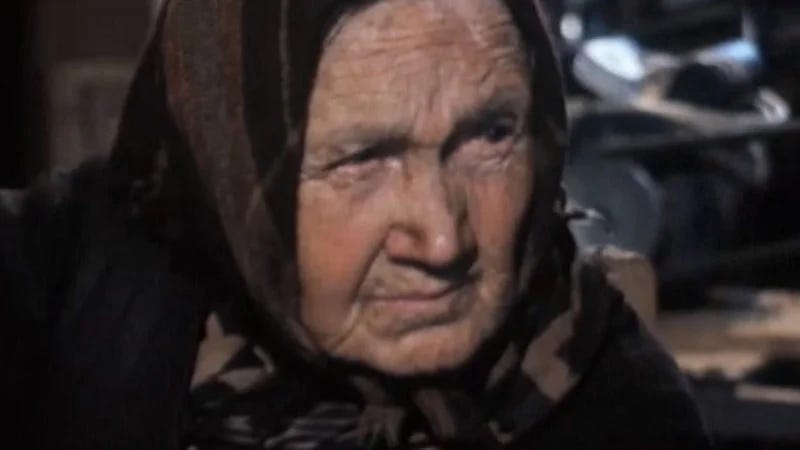
In 1980 as part of the RTÉ Irish-language programme Súil Thart, he recorded some of the last living native Irish speakers in County Clare. There’s more about that with a short video clip (and a link to a longer one) here if you’re interested; Ó Muirthile’s conversation with Maggie Howley is well worth your time to watch. Ó Muirthile was dismayed by the conditions in which he found this woman living, one of the last remaining native speakers in that part of the country, and he later dedicated a poem in his award-winning collection, Tine Chnámh ~ Bonfire, to her.
Another of his poems, An parlús ~ The parlour, describes the wonder he felt at being admitted to the parlour in his grandparents’ house in west Cork. The idea of a parlour, or good room, that is kept pristine and used only for the most special occasions, is a particularly Irish one.
As Ó Muirthile describes it:
Chaithfeá eochair a fháil chun an parlús a oscailt
agus san fhionnuaire bhí an fhuil ag rás, ag tnuth
le rún ón matal nó ag cuardach tarraiceáin
An glas casta go ciúin agus iata isteach
bhíos thiar i measc mo shinsir i ngrianghraf
i láthair go deabhóideach ag altóir phríobháideach
You would have to get a key to open the parlour
and in the cold air the blood would race, anticipating
a secret from the mantlepiece or a drawer search
The lock quietly turned and closed inside
I was back among my ancestors in photograph
devoutly present at a private altar
He describes how the priest would get robed for the station in the parlour, with miscellaneous instruments lying around, an accordion and a saxophone, and oddly curious and incongruous things like cattle testing certificates and papal wedding blessings.
Agus sa pharlús tuaithe lorgaíos rud éigin a bhí in easnamh
an ceangal sin atá againn leis an am atá caite
a d’osclódh póirsí na haithne nach bhfaca riamh an solas.
And in the country parlour I found something that had been missing
That connection we have with time gone past
That would open the doors of acquaintance that had never before seen light.
They would say he looked like his mother’s father; and now he could see him for himself, cold as marble in his wedding photo. Paddy Murphy “Russian” from south in Slieveowen, who never had a day’s interest in farming but had a gun put to his ear the time of the Tans. Not that he ever performed any heroics, being of bad health, and more interested in the nationalist poetry of the 19th century.
He imagines how his grandfather might have brought a bucket of tea to the volunteers the night before Kilmichael, which of course never happened, as it was too far away on the other side of the parish. But men on the run often slept on the settle, and one time the house was cleared for a Republican court.
Mioneachtraí na staire, miondéithe mo chine, mo mhiotas,
ag filleadh ar ais arís do ar an bparlús
tuigim anois nach spéis liom ach náisiún na mbailte fearainn.
Minor events of history, minor gods of my people, my myth,
coming back to me in the parlour
now I understand that I’ve no other concern than this nation of townlands.
P.S. This is Day 14 in a 21-Day series on The Irish Language and Its Role in Irish Identity; you can start at Day 1 here or read Day 15 here.